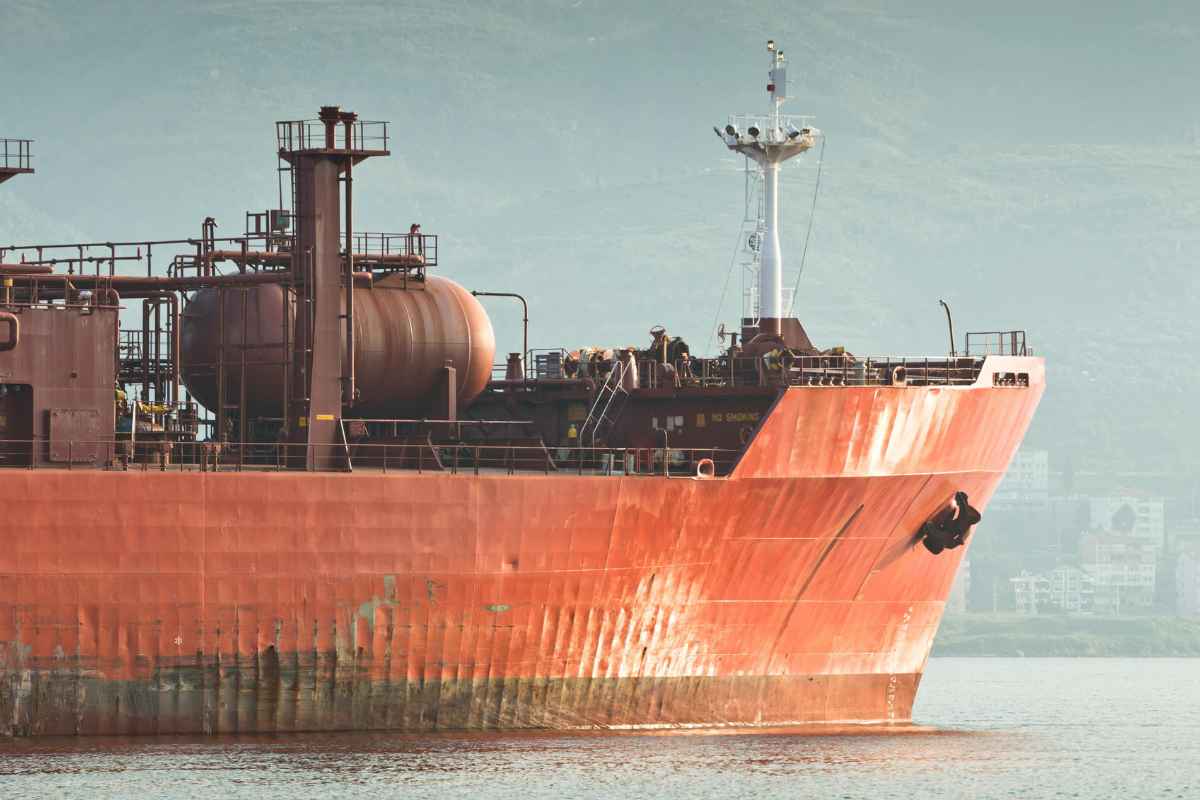
Brazil’s cabotage market is facing increased pressure from freight costs and sharp fluctuations in bunker fuel prices. Bunker fuel remains one of the largest operating expenses for vessel operators, and volatility can directly affect the economics of maritime transportation.
At the same time, ANP has approved public consultation and hearings to end mandatory regulatory stocks of anhydrous ethanol during the sugarcane off-season. The proposal aims to simplify regulation and reduce costs for market agents, supported by increased ethanol supply, particularly from corn-based ethanol.
Market Impact
These developments may affect:
- freight pricing and long-term cabotage contracts
- fuel adjustment mechanisms in maritime agreements
- logistics costs for cargo owners and operators
- regulatory compliance obligations in fuel supply chains
Legal & Regulatory Implications
Companies should review:
- bunker adjustment and fuel pass-through clauses
- hardship and economic rebalancing provisions
- fuel supply and storage obligations
- compliance with evolving ANP fuel regulations
Photo: Canva