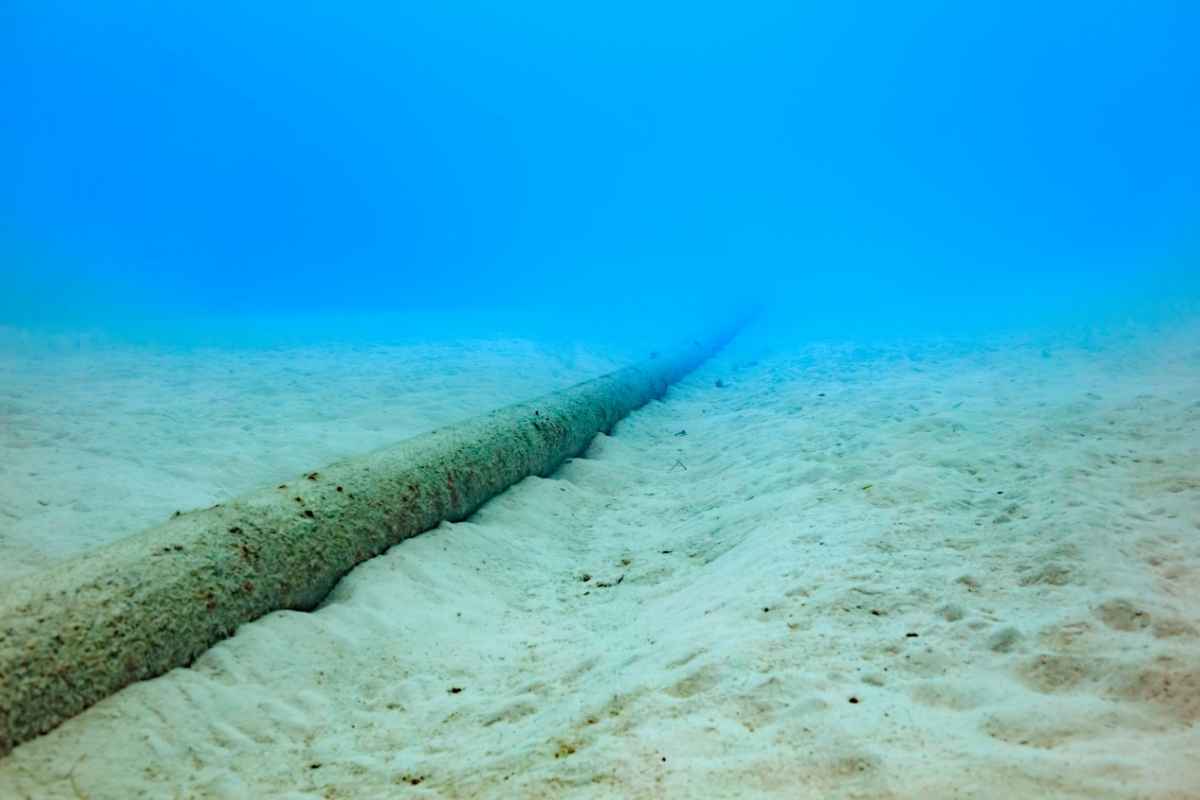
Submarine cables carry the vast majority of international data traffic and have become increasingly relevant to national security as incidents involving accidental and potentially intentional damage rise globally.
Brazil has particular exposure because a significant share of its international cable systems land in Fortaleza, creating geographic concentration around strategically important infrastructure.
The legal framework combines international maritime law with emerging domestic regulation. Brazil is a party to the 1884 Convention on submarine cables and to UNCLOS, while Anatel has expanded cybersecurity requirements and is reviewing specific rules applicable to submarine cable systems.
Brazil is also considering additional legislation addressing physical protection, vessel monitoring and diversification of cable routes.
Impact on Brazil
Greater regulatory attention may affect:
- cable owners and telecommunications operators
- offshore and maritime contractors
- vessels operating near cable corridors
- port and coastal infrastructure projects
- offshore energy projects sharing marine space with telecommunications assets
Legal & Contractual Implications
Market participants should consider:
- route planning and maritime spatial conflicts
- liability for accidental cable damage
- anchoring and navigation restrictions
- cybersecurity and reporting obligations
- coordination with maritime and telecommunications authorities
- insurance and contractual indemnity provisions
For offshore companies, submarine infrastructure increasingly forms part of the broader risk environment that must be considered when planning marine operations.
Photo: Canva