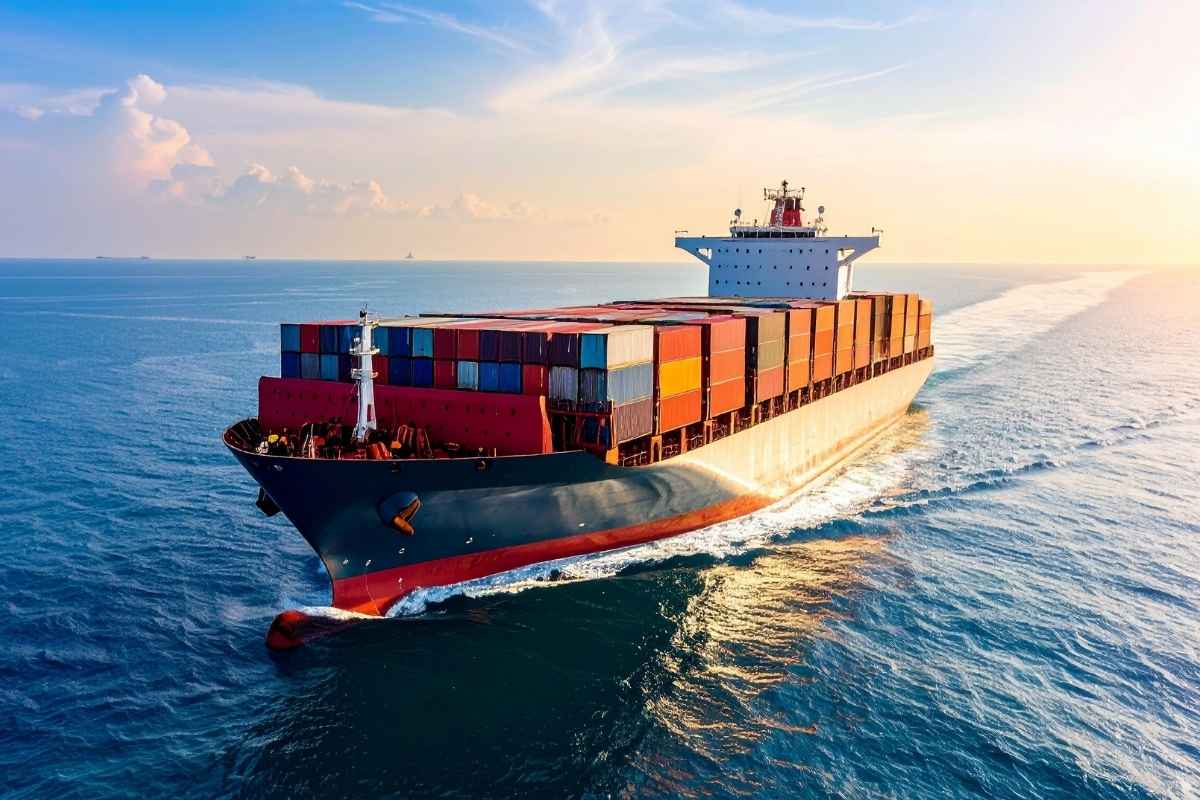
Maritime decarbonization is creating a new potential market for Brazilian ethanol.
Recent industry initiatives have demonstrated the technical use of ethanol in transoceanic vessels, while global shipowners increasingly evaluate alternative fuels to meet tightening emissions requirements.
Brazil enters this market with an important competitive advantage: an established large-scale ethanol industry supported by mature production, logistics and certification systems.
Impact on Brazil
Maritime demand may create opportunities for:
- ethanol producers seeking new export markets
- bunker suppliers and fuel traders
- port storage and blending infrastructure
- shipowners adopting dual- or multi-fuel vessels
- long-term maritime fuel supply arrangements
The development of this market will depend on international emissions rules, fuel certification standards, vessel technology and the relative economics of ethanol compared with competing low-carbon fuels.
Legal & Contractual Implications
Market participants should consider:
- fuel specification and sustainability certification requirements
- bunker supply agreements
- carbon-intensity and emissions compliance
- chain-of-custody arrangements
- long-term supply and price-adjustment mechanisms
- allocation of fuel performance and compatibility risks
Photo: Canva