HOME

LAW FIRM

TEAM

OFFICE PERFORMANCE

PUBLICATIONS

CONTACT

OMBUDSMAN

Senate debates modernization of Business Law in Civil Code reform: private autonomy and contractual freedom in focus

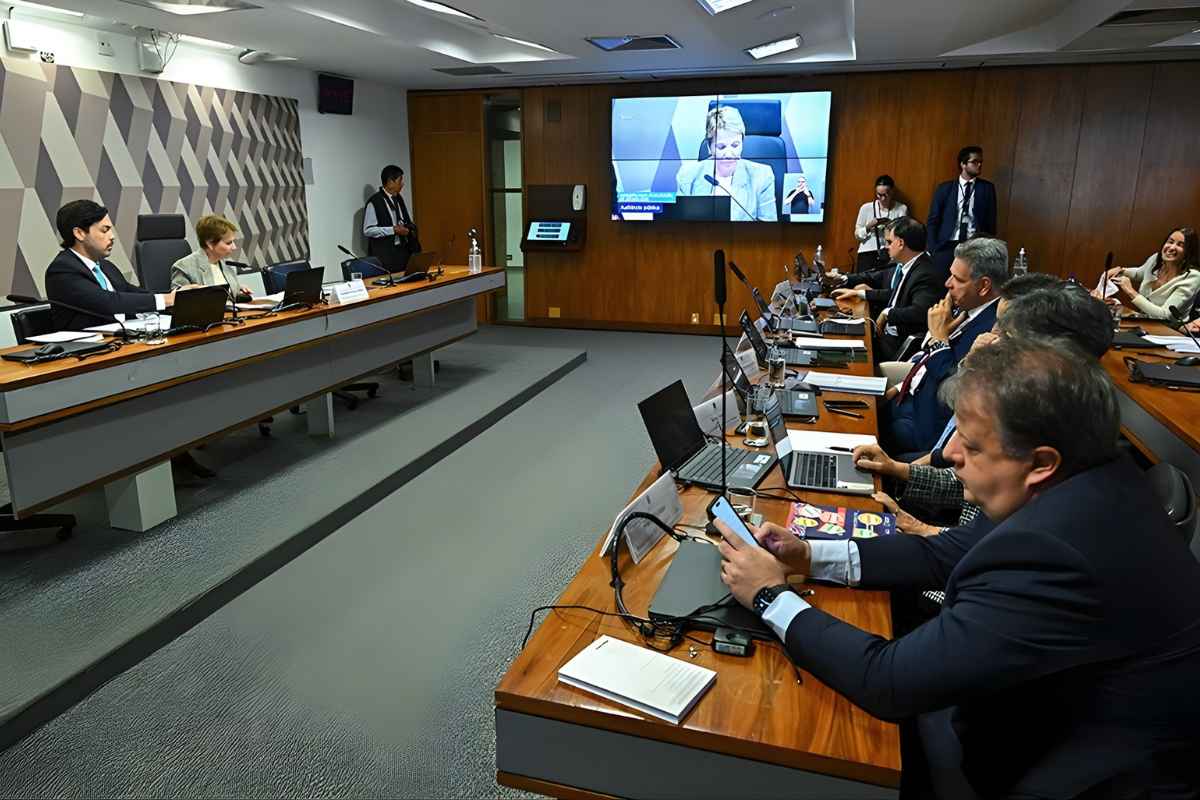
The Senate’s Temporary Committee on the Civil Code (CTCivil) held a public hearing on April 15, 2026 to debate the impacts of PL 4/2025 — a bill reforming Brazil’s 2002 Civil Code — on Business Law and Property Law, gathering lawyers, professors, and sector specialists.

Amendments to 121 provisions of the Civil Code relating to Business Law were debated, with emphasis on strengthening private autonomy, contractual freedom, and flexibility of commercial instruments, alongside criticism regarding the treatment of investment funds and real estate contracts.

The reform is of direct interest to companies and their legal advisors, as it may impact contract management, corporate structures, digital civil law, and the interpretive principles applicable to business relationships.

Source: Senado Federal — Senado Notícias
Photo: Jefferson Rudy / Agência Senado

MORE PUBLICATIONS

Energy price volatility and domestic maritime costs

Energy price volatility and domestic maritime costs

Global oil price volatility, geopolitical tensions and vessel availability constraints continue to affect maritime transportation costs worldwide. For Brazil, these global dynamics are directly relevant to cabotage and offshore logistics, where bunker prices, charter...

Bunker cost volatility and fuel regulation

Bunker cost volatility and fuel regulation

Brazil’s cabotage market is facing increased pressure from freight costs and sharp fluctuations in bunker fuel prices. Bunker fuel remains one of the largest operating expenses for vessel operators, and volatility can directly affect the economics of maritime...

AFRMM exemption and the cost of maritime competitiveness

AFRMM exemption and the cost of maritime competitiveness

Brazilian shipping companies are advocating for a five-year extension of the non-incidence of the AFRMM on certain navigation operations. The sector argues that maintaining the exemption is important to preserve cabotage competitiveness, reduce logistics costs and...