HOME

LAW FIRM

TEAM

OFFICE PERFORMANCE

PUBLICATIONS

CONTACT

OMBUDSMAN

Offshore tightening as a structural global trend

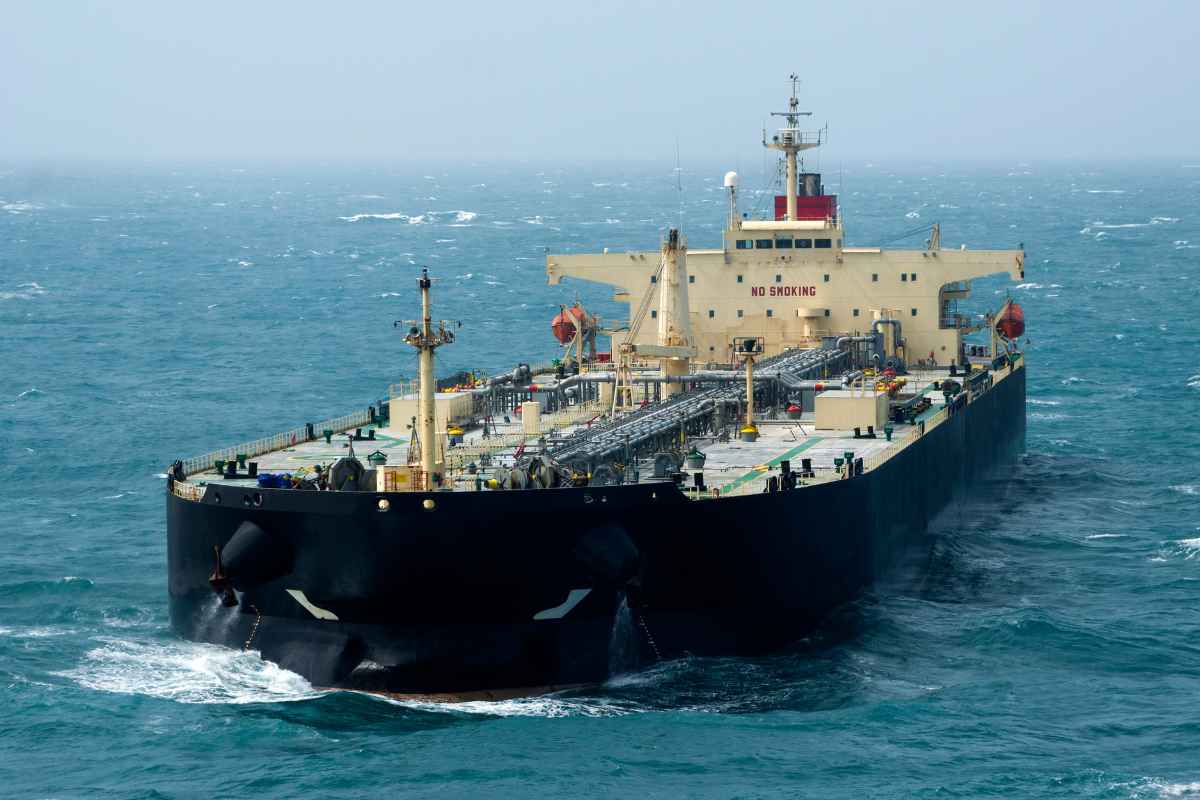
Global offshore activity continues to expand across both oil & gas and renewable sectors, contributing to a tightening in vessel supply and offshore service capacity.

Market Impact

This trend is expected to:

  • intensify competition for offshore vessels and specialized services
  • increase project costs and pressure on execution timelines
  • reinforce the importance of early procurement and logistics planning

Implications for Brazil

In this global context, Brazil:

  • remains one of the most active offshore markets globally
  • is likely to face increased competition for vessels and offshore services
  • may experience cost escalation and scheduling constraints in project execution

Legal

These dynamics reinforce the need for:

  • earlier contracting strategies, particularly for critical offshore assets
  • more robust risk allocation mechanisms in charter and service agreements
  • greater attention to availability, delay and performance-related provisions

Photo: Canva

MORE PUBLICATIONS

Energy price volatility and domestic maritime costs

Energy price volatility and domestic maritime costs

Global oil price volatility, geopolitical tensions and vessel availability constraints continue to affect maritime transportation costs worldwide. For Brazil, these global dynamics are directly relevant to cabotage and offshore logistics, where bunker prices, charter...

Bunker cost volatility and fuel regulation

Bunker cost volatility and fuel regulation

Brazil’s cabotage market is facing increased pressure from freight costs and sharp fluctuations in bunker fuel prices. Bunker fuel remains one of the largest operating expenses for vessel operators, and volatility can directly affect the economics of maritime...

AFRMM exemption and the cost of maritime competitiveness

AFRMM exemption and the cost of maritime competitiveness

Brazilian shipping companies are advocating for a five-year extension of the non-incidence of the AFRMM on certain navigation operations. The sector argues that maintaining the exemption is important to preserve cabotage competitiveness, reduce logistics costs and...