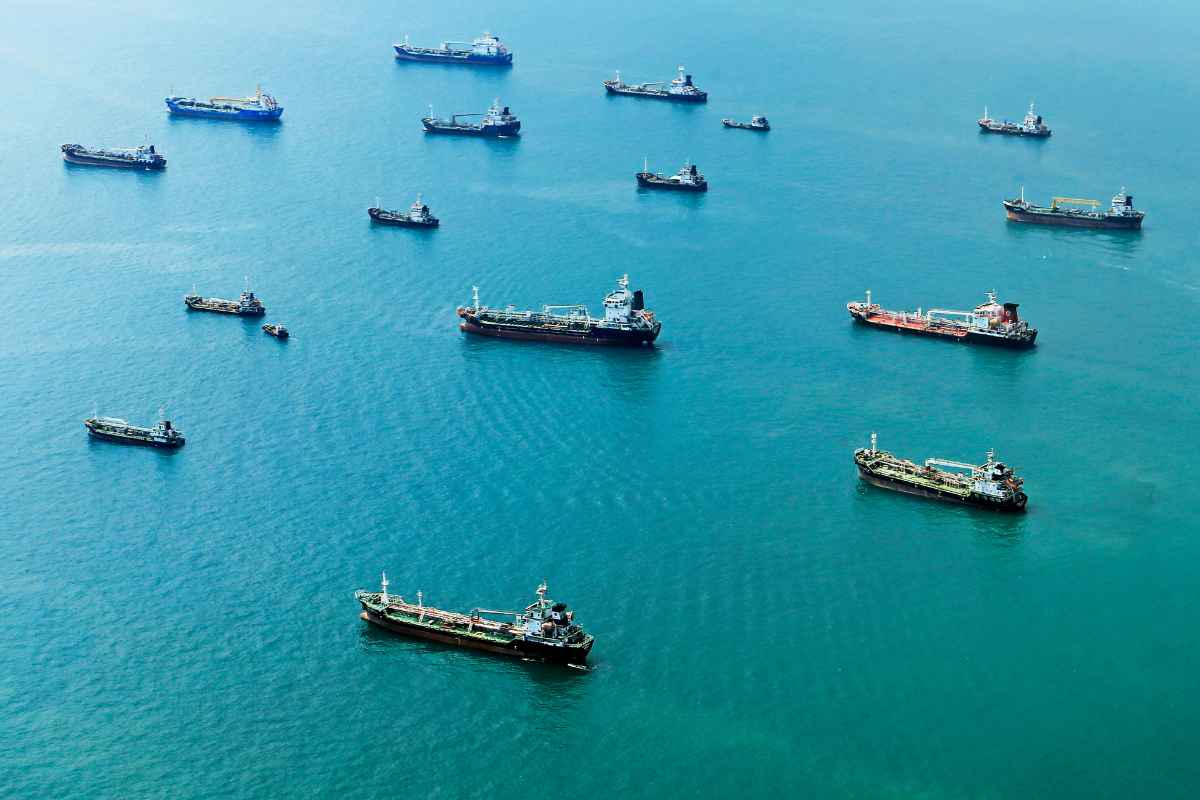
Industry consultants have highlighted growing concerns regarding a potential global shortage of offshore vessel capacity, driven by the rapid expansion of offshore activities across both traditional oil and gas and emerging renewable energy sectors.
Demand for specialized vessels—including PSVs, AHTS units, subsea support vessels and installation units—continues to increase, supported by:
- expansion of offshore oil and gas exploration
- growth in deepwater developments
- acceleration of offshore wind and energy transition projects
At the same time, constraints in shipbuilding capacity, delays in fleet renewal and increasing technical and environmental requirements have limited the pace of supply expansion.
Market implications
The offshore vessel market is expected to face increasing pressure, potentially resulting in:
- higher charter rates and tighter vessel availability
- increased competition for key offshore assets
- potential delays in offshore project execution
These dynamics may have a direct impact on offshore logistics, subsea installation activities and drilling campaigns, particularly in regions with strong investment cycles such as Brazil.
Legal & Contractual Implications
Market participants may face legal and contractual challenges related to:
- vessel chartering arrangements and risk allocation
- long-term offshore service agreements
- compliance with environmental and technical standards
- crew availability and operational requirements
Photo: Canva