HOME

LAW FIRM

TEAM

OFFICE PERFORMANCE

PUBLICATIONS

CONTACT

OMBUDSMAN

BNDES releases R$ 848 million from the Merchant Marine Fund to expand Tecon Salvador

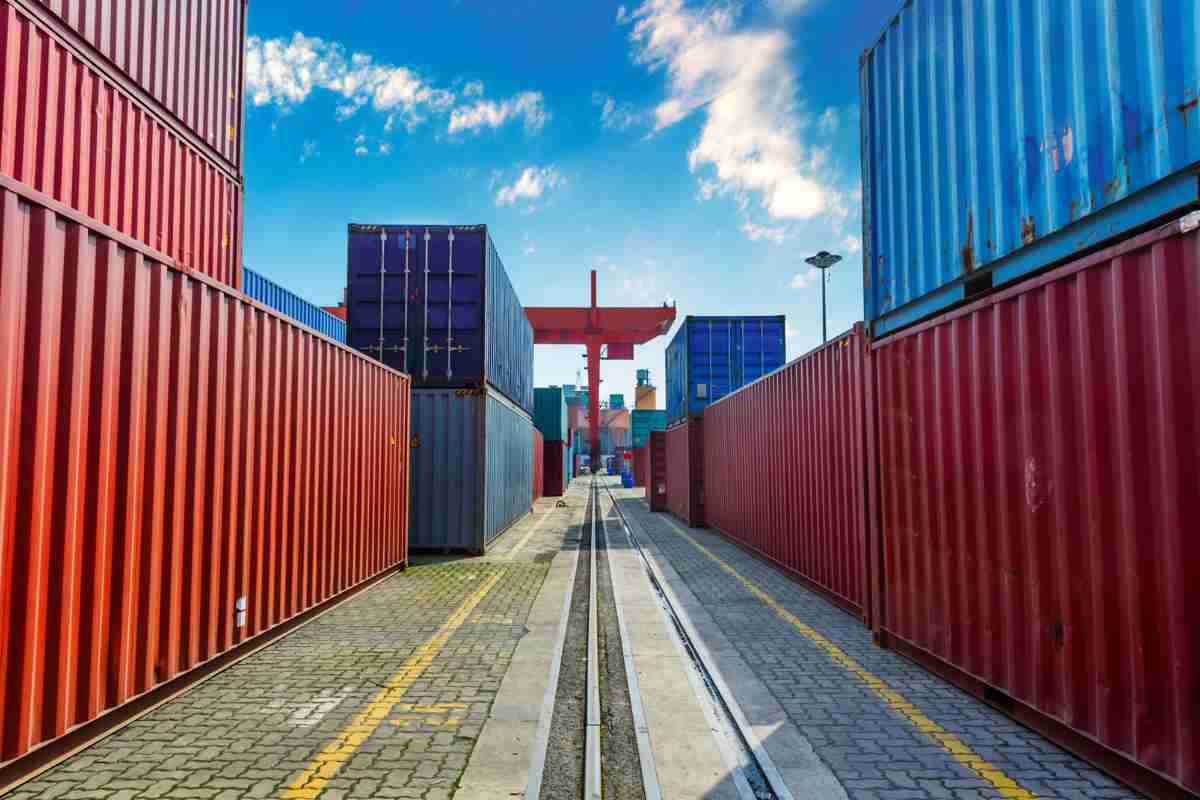
BNDES has approved financing worth R$ 848 million, funded by the Merchant Marine Fund, to support the expansion and modernization of Tecon Salvador, the container terminal at the Port of Salvador operated by Wilson Sons.

The project includes enlarging the storage yard, purchasing new port equipment—both domestic and imported—and carrying out infrastructure works alongside technological upgrades, aiming to raise operational efficiency and accommodate growing demand for container handling.

With these investments, the terminal’s annual capacity is expected to more than double, increasing from roughly 553,000 TEUs to over 1 million TEUs, while quay productivity should rise from about 70 to more than 100 container moves per hour, placing Salvador among Brazil’s most efficient terminals.

During implementation, the project is projected to create around 1,400 direct and indirect jobs, generating positive spillovers for the local economy and the regional logistics chain.

The expansion strengthens the port’s strategic role in foreign trade by improving integration between the Northeast and other producing regions, easing bottlenecks, and boosting the competitiveness of Brazilian exports.

Photo: Canva

MORE PUBLICATIONS

Energy price volatility and domestic maritime costs

Energy price volatility and domestic maritime costs

Global oil price volatility, geopolitical tensions and vessel availability constraints continue to affect maritime transportation costs worldwide. For Brazil, these global dynamics are directly relevant to cabotage and offshore logistics, where bunker prices, charter...

Bunker cost volatility and fuel regulation

Bunker cost volatility and fuel regulation

Brazil’s cabotage market is facing increased pressure from freight costs and sharp fluctuations in bunker fuel prices. Bunker fuel remains one of the largest operating expenses for vessel operators, and volatility can directly affect the economics of maritime...

AFRMM exemption and the cost of maritime competitiveness

AFRMM exemption and the cost of maritime competitiveness

Brazilian shipping companies are advocating for a five-year extension of the non-incidence of the AFRMM on certain navigation operations. The sector argues that maintaining the exemption is important to preserve cabotage competitiveness, reduce logistics costs and...