The Superior Court of Justice (STJ), through its 3rd Panel, has established that applying the “lesser theory” of piercing the corporate veil — which only requires proof of the company’s insolvency or that its legal personality prevents compensation for damages — does not allow a partner, added to the enforcement proceedings at a later stage, to be held liable for a bad-faith litigation penalty imposed on the company before the partner became part of the case. The case involved a consumer who won a lawsuit against a company, which was ordered to pay a fine for bad-faith conduct; during the enforcement phase, the company’s legal personality was disregarded and a partner (also a legal entity) was included. This partner was then instructed to pay the total amount, including the fine originally imposed on the company. While the lower court had upheld this extension of liability, the STJ ruled otherwise.
The bad-faith litigation penalty has a procedural and punitive nature and does not form part of the ordinary risks of business activity. Therefore, it cannot be treated as a consumer-related obligation that would justify the application of the lesser theory. To hold a partner liable for such a sanction, the stricter “greater theory” of piercing the corporate veil would need to be met — requiring proof of misuse of the corporate structure, such as diversion of purpose or commingling of assets — which was not demonstrated in this case.
In essence, the decision reinforces the limits of the lesser theory by clarifying that although it allows obligations arising from consumer relations to be extended to partners in situations of insolvency, it does not permit extending a bad-faith litigation fine to a partner who was not part of the lawsuit when the penalty was imposed, unless the requirements of the greater theory are satisfied.
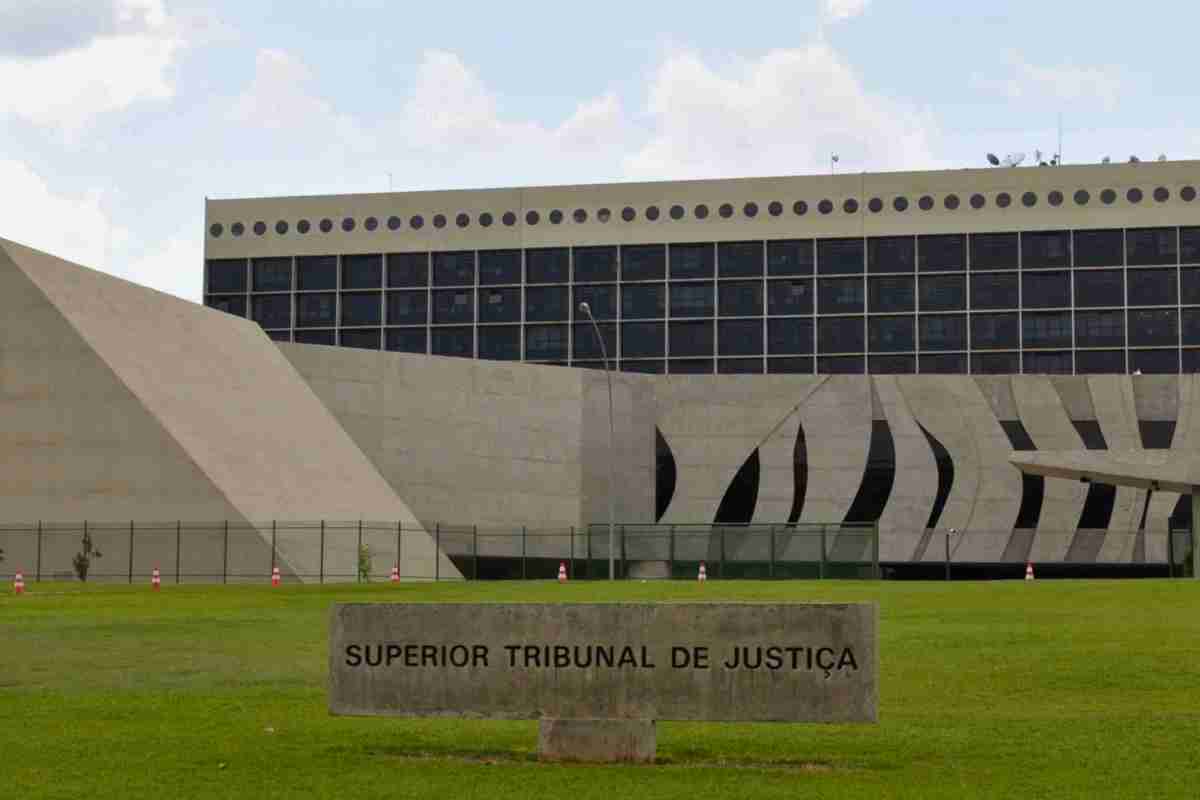
Photo: STJ