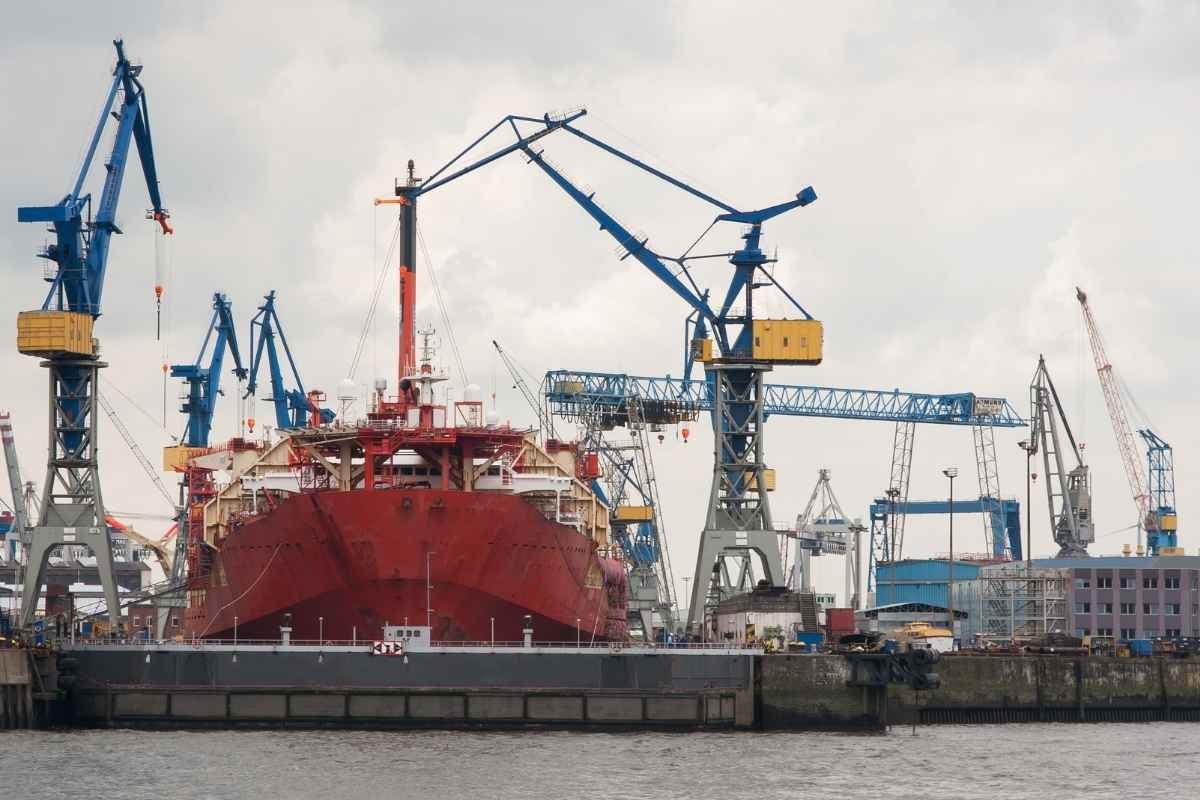
Brazil’s shipbuilding industry is entering a new growth cycle after approximately a decade of severe contraction, supported by renewed orders for merchant vessels, offshore support units, gas carriers, barges, push boats and defense assets.
The Petrobras System remains the principal driver of this recovery. The Mar Aberto Program provides for 96 vessels by 2032, including 40 offshore support vessels, 20 cabotage ships, 18 barges and 18 push boats, with estimated investment of approximately R$32 billion in the Brazilian shipbuilding industry. By the end of June 2026, Petrobras reported 82 vessels already contracted, two under procurement and 12 additional units planned.
The current pipeline is broader than new vessel construction. Repair and modernization, offshore decommissioning, platform recycling, maintenance services and potential offshore wind projects may provide additional sources of demand for Brazilian yards.
The central challenge is no longer simply restarting activity. It is converting the current orderbook into a continuous and competitive industrial cycle.
Market Impact
The recovery may support:
- expansion of shipyard capacity and utilization
- renewed demand for naval engineering and project management
- growth of the domestic marine equipment supply chain
- recruitment and training of specialized labor
- investment in repair, modernization and recycling facilities
- greater availability of vessels for offshore support and cabotage
- diversification into decommissioning and offshore wind services
The renewed pipeline also increases execution pressure. Brazilian shipyards must demonstrate that they can deliver vessels and offshore assets at competitive cost, within schedule and in accordance with increasingly complex technical and environmental requirements.
A sustained cycle will depend on long-term demand visibility, access to Merchant Marine Fund financing, predictable local-content policies and the ability of yards and suppliers to invest without facing another abrupt interruption in orders.
Legal & Contractual Implications
Shipyards, owners, suppliers and financial institutions should assess:
- shipbuilding and equipment-supply contract structures
- procurement qualification and local-content requirements
- FMM financing conditions and security packages
- milestone payments and objective certification procedures
- performance guarantees and parent-company support
- delay liquidated damages and termination rights
- price escalation and change-order mechanisms
- interface risks among designers, yards and equipment suppliers
- technical acceptance, classification and warranty obligations
- subcontracting and domestic supply-chain arrangements
The success of the new cycle will depend not only on the availability of public policy and financing, but also on contracts capable of allocating construction, supply-chain and completion risks in a bankable and commercially sustainable manner.
Photo: Canva