HOME

LAW FIRM

TEAM

OFFICE PERFORMANCE

PUBLICATIONS

CONTACT

OMBUDSMAN

Offshore execution and port infrastructure remain central to Brazil’s growth strategy

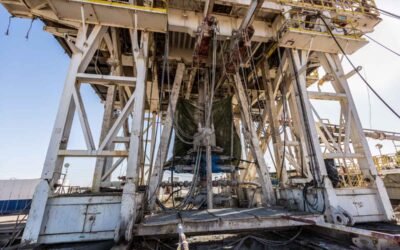
Petrobras has highlighted the success of bringing new offshore platforms into operation ahead of schedule, reflecting improvements in project execution, supplier coordination, commissioning and maritime logistics.

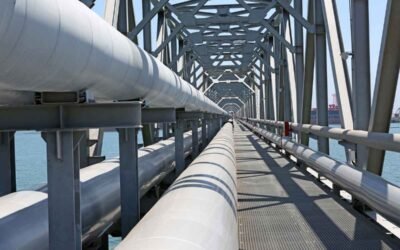
In parallel, the Brazilian federal government has approved the inclusion of six new port infrastructure projects in the Investment Partnership Program (PPI), reinforcing efforts to expand private sector participation in port and logistics infrastructure.

Market Impact

Together, these developments point to a broader execution agenda involving:

  • faster offshore production ramp-up
  • stronger demand for commissioning, subsea and logistics services
  • modernization of port capacity and cargo handling infrastructure
  • opportunities for private investors, terminal operators and maritime service providers

Legal & Regulatory Implications

Companies involved in offshore and port projects should assess:

  • project execution and interface risk in accelerated offshore schedules
  • concession, lease or partnership models for port assets
  • regulatory, licensing and structuring procedures under the PPI framework
  • contractual stability in transitional port arrangements

Photo: Canva

MORE PUBLICATIONS

Energy price volatility and domestic maritime costs

Energy price volatility and domestic maritime costs

Global oil price volatility, geopolitical tensions and vessel availability constraints continue to affect maritime transportation costs worldwide. For Brazil, these global dynamics are directly relevant to cabotage and offshore logistics, where bunker prices, charter...

Bunker cost volatility and fuel regulation

Bunker cost volatility and fuel regulation

Brazil’s cabotage market is facing increased pressure from freight costs and sharp fluctuations in bunker fuel prices. Bunker fuel remains one of the largest operating expenses for vessel operators, and volatility can directly affect the economics of maritime...

AFRMM exemption and the cost of maritime competitiveness

AFRMM exemption and the cost of maritime competitiveness

Brazilian shipping companies are advocating for a five-year extension of the non-incidence of the AFRMM on certain navigation operations. The sector argues that maintaining the exemption is important to preserve cabotage competitiveness, reduce logistics costs and...