HOME

LAW FIRM

TEAM

OFFICE PERFORMANCE

PUBLICATIONS

CONTACT

OMBUDSMAN

Brazil’s liquids production outlook gains momentum

OPEC has raised its projection for Brazil’s liquids production in 2026, estimating growth of 270,000 barrels per day and an average output of 4.7 million barrels per day. The previous projection was approximately 4.6 million barrels per day.

Market Impact

The revised outlook reinforces Brazil’s position as one of the most relevant growth markets outside OPEC. However, OPEC also noted that higher development costs and inflationary pressures continue to challenge the economics of offshore projects.

This creates a dual trend:

  • stronger production growth expectations
  • increased pressure to control costs and execution risks
  • greater relevance of offshore logistics, vessel availability and supply-chain efficiency

Legal & Contractual Implications

Market participants should monitor:

  • cost escalation provisions in offshore contracts
  • project schedule and delay risk allocation
  • vessel charter and supply-chain commitments
  • regulatory approvals linked to production expansion

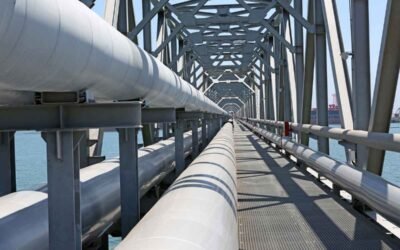
Photo: Canva

MORE PUBLICATIONS

Energy price volatility and domestic maritime costs

Energy price volatility and domestic maritime costs

Global oil price volatility, geopolitical tensions and vessel availability constraints continue to affect maritime transportation costs worldwide. For Brazil, these global dynamics are directly relevant to cabotage and offshore logistics, where bunker prices, charter...

Bunker cost volatility and fuel regulation

Bunker cost volatility and fuel regulation

Brazil’s cabotage market is facing increased pressure from freight costs and sharp fluctuations in bunker fuel prices. Bunker fuel remains one of the largest operating expenses for vessel operators, and volatility can directly affect the economics of maritime...

AFRMM exemption and the cost of maritime competitiveness

AFRMM exemption and the cost of maritime competitiveness

Brazilian shipping companies are advocating for a five-year extension of the non-incidence of the AFRMM on certain navigation operations. The sector argues that maintaining the exemption is important to preserve cabotage competitiveness, reduce logistics costs and...