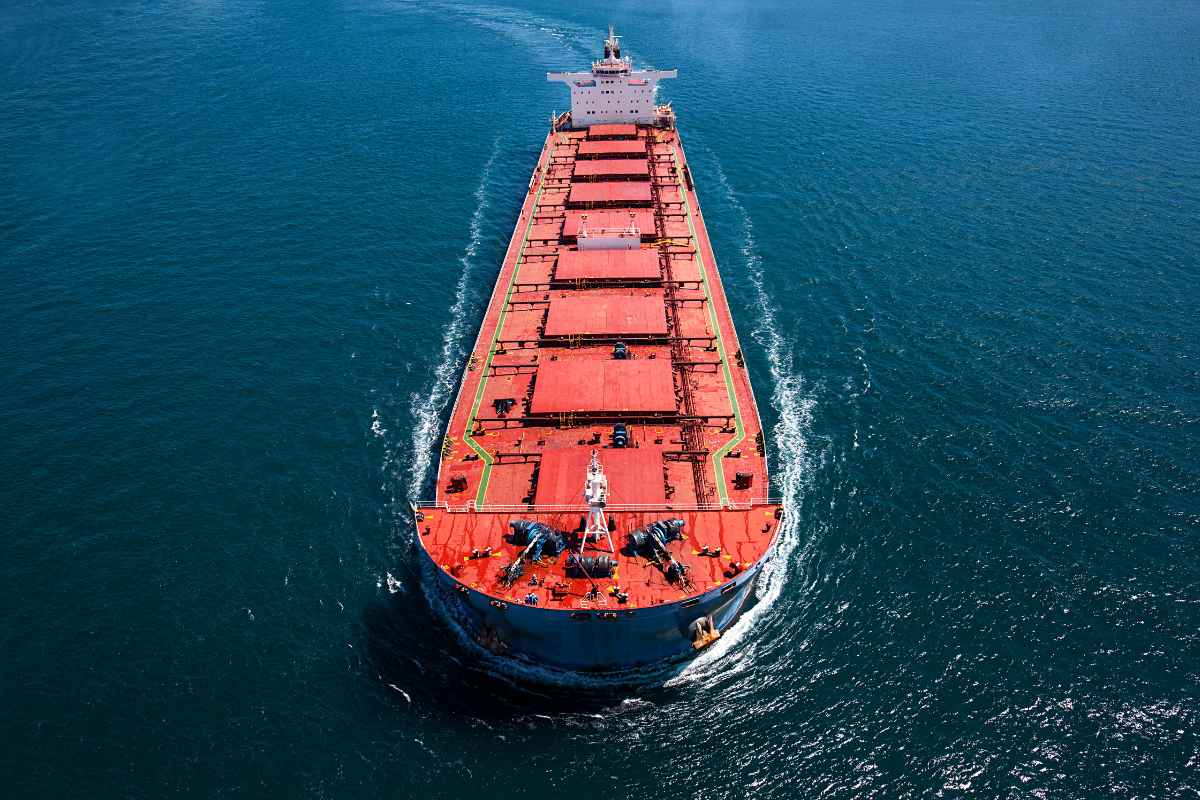
Global contracting of very large crude carriers has reached historically high levels, according to MSI, reflecting renewed confidence in long-term oil transportation demand and the need to replace aging tanker capacity.
The increase in orders occurs as shipowners respond to fleet renewal requirements, environmental standards and expectations of continued demand for long-haul crude transportation.
Market Impact
For Brazil, a tighter and more active VLCC market may affect:
- availability of tankers for crude exports
- charter rates and long-term freight commitments
- scheduling and logistics for offshore production growth
- demand for terminals capable of serving large tankers
- negotiations involving ship-to-ship and offshore loading operations
As Brazilian production and exports expand, access to efficient tanker capacity will remain important to the competitiveness of domestic crude in international markets.
Legal & Contractual Implications
Market participants should review:
- voyage and time charter structures
- freight escalation and bunker adjustment clauses
- vessel availability and nomination mechanisms
- demurrage, delay and port-risk allocation
- sanctions, trade restrictions and geopolitical risk provisions
- environmental and technical compliance requirements for tanker operations
Photo: Canva