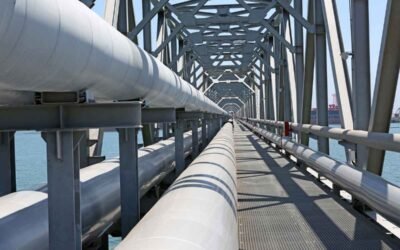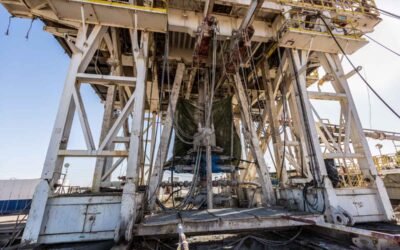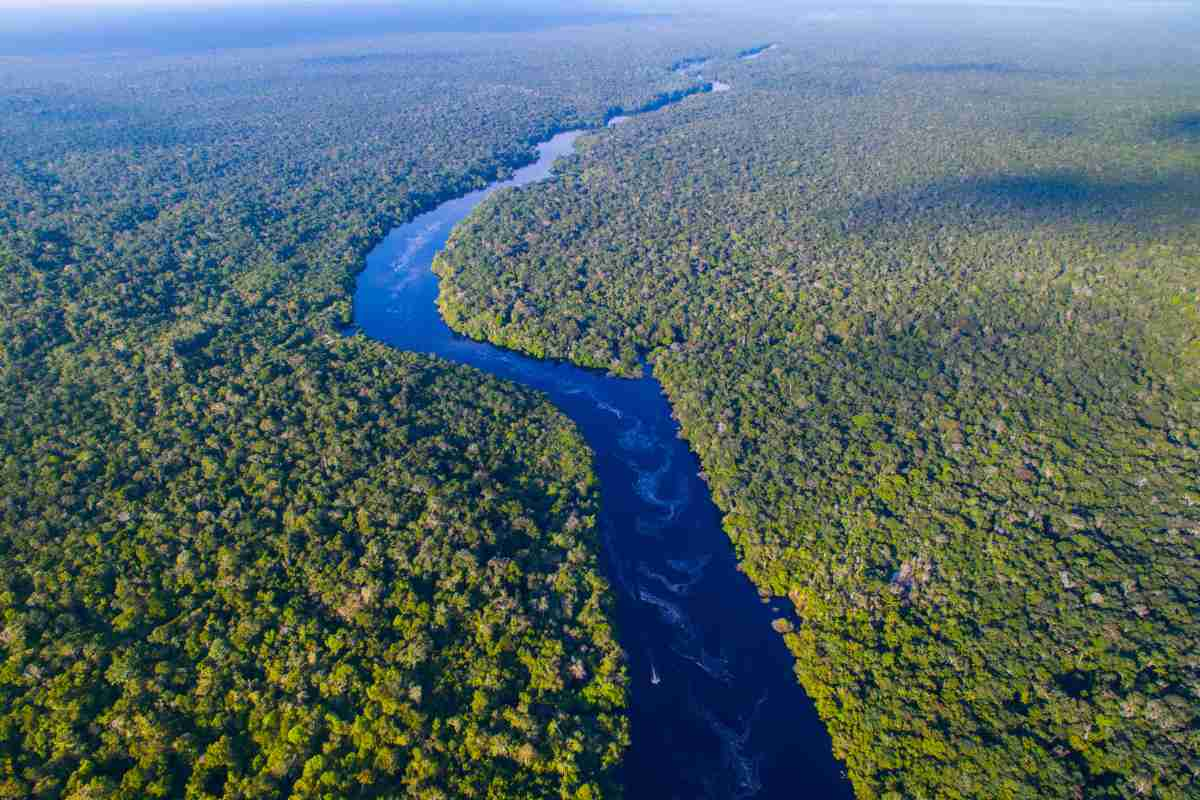
The debate over oil exploration in the Foz do Amazonas Basin has moved from regulatory discussions to the judicial arena. While the National Agency of Petroleum, Natural Gas and Biofuels (ANP) has resumed auctions for offshore exploration blocks and companies like Petrobras prepare to expand their operations in the region, growing legal and environmental disputes suggest that the fate of this “new frontier” will likely be decided in court.
Located where the Amazon River meets the Atlantic Ocean, the so-called Equatorial Margin has attracted significant attention for its potential oil and gas reserves. However, this geological promise comes with a web of environmental, social, and legal challenges. Licensing processes have been repeatedly delayed, indigenous and coastal communities have raised objections, and courts are now being asked to rule on issues ranging from environmental impacts to the rights of local populations to be consulted.
One of the central tensions lies in balancing national energy interests with local livelihoods and global climate commitments. Supporters argue that developing the basin could strengthen Brazil’s energy security, especially as production in the pre-salt fields begins to stabilize. On the other hand, environmental organizations warn that the area is highly sensitive, home to unique marine ecosystems and traditional communities, and that the absence of a comprehensive strategic environmental assessment reflects major uncertainties about potential impacts.
The current legal disputes focus on whether environmental licensing has been adequate, if cumulative and strategic impact studies have been completed, and whether the rights of affected communities have been properly respected. Experts point out that the lack of an “Avaliação Ambiental de Área Sedimentar (AAAS)”, a detailed environmental assessment required for sedimentary basins, remains a key obstacle to progress in the region.
Although exploration blocks have already been auctioned and companies remain eager to start drilling, the future of oil production in the Foz do Amazonas Basin will depend on judicial decisions and regulatory reviews rather than solely on technical or commercial readiness.
Photo: Canva