HOME

LAW FIRM

TEAM

OFFICE PERFORMANCE

PUBLICATIONS

CONTACT

OMBUDSMAN

Integrated gas plan foresees pre-salt infrastructure expansion

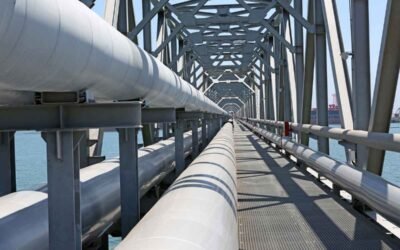
The Energy Research Company (EPE) has identified the construction of a new pipeline for pre-salt gas transportation as a priority in the National Integrated Plan for Natural Gas and Biomethane Infrastructure (PNIIGB). Established under Decree No. 12,153/2024, the plan aims to coordinate supply, demand, and infrastructure development for Brazil’s natural gas and biomethane sector.

The proposal combines the use of existing pipelines — including idle structures — with new transportation, processing, and distribution projects. Among the projects mapped in EPE’s indicative pipeline plan, pre-salt routes stand out for their potential to increase the capacity to transport offshore gas to onshore processing units.

This strategic investment is expected to enhance energy security, reduce logistics costs, lower the need for offshore gas reinjection or flaring, and decrease dependence on external sources. To support implementation, EPE has opened a public call to map supply and demand and engage private-sector participation in infrastructure development.

Photo: Canva

MORE PUBLICATIONS

Energy price volatility and domestic maritime costs

Energy price volatility and domestic maritime costs

Global oil price volatility, geopolitical tensions and vessel availability constraints continue to affect maritime transportation costs worldwide. For Brazil, these global dynamics are directly relevant to cabotage and offshore logistics, where bunker prices, charter...

Bunker cost volatility and fuel regulation

Bunker cost volatility and fuel regulation

Brazil’s cabotage market is facing increased pressure from freight costs and sharp fluctuations in bunker fuel prices. Bunker fuel remains one of the largest operating expenses for vessel operators, and volatility can directly affect the economics of maritime...

AFRMM exemption and the cost of maritime competitiveness

AFRMM exemption and the cost of maritime competitiveness

Brazilian shipping companies are advocating for a five-year extension of the non-incidence of the AFRMM on certain navigation operations. The sector argues that maintaining the exemption is important to preserve cabotage competitiveness, reduce logistics costs and...