The implementation of Mercosur–EFTA preferences is occurring as Brazil and Norway deepen their commercial relationship in offshore technology, maritime services and energy transition projects.
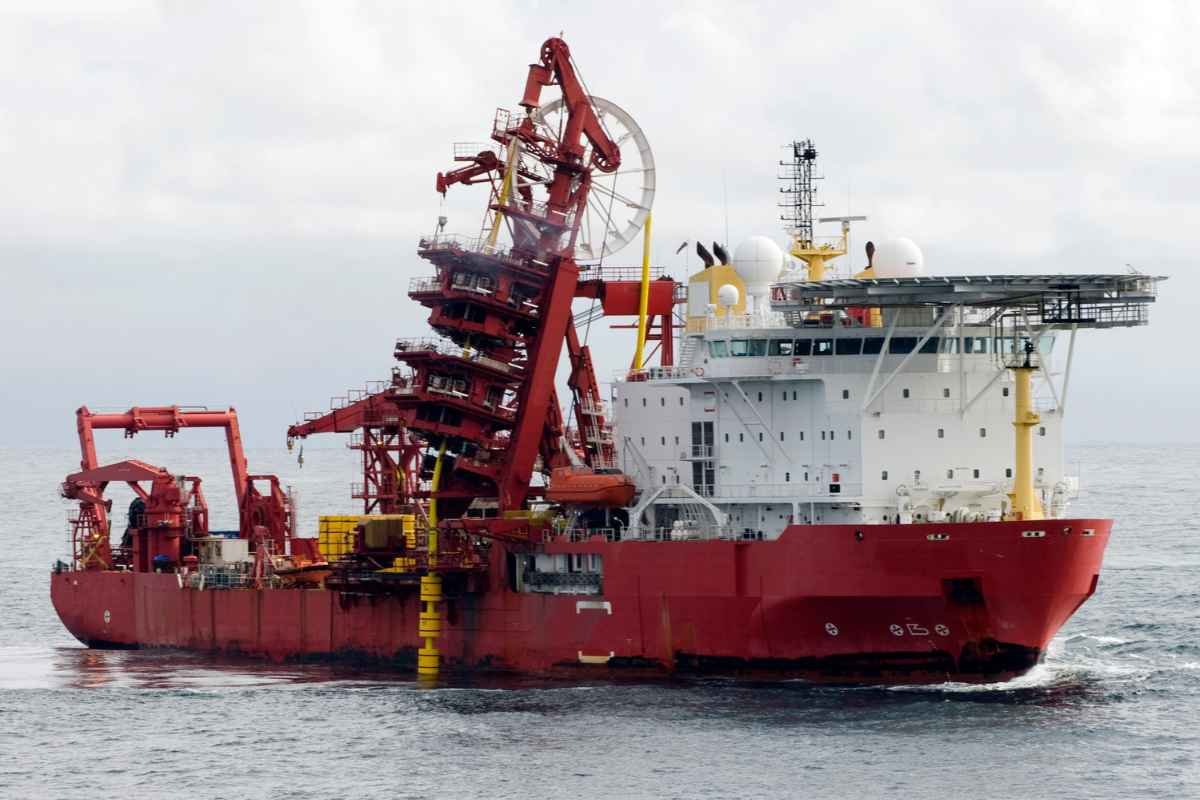
Norwegian companies already maintain a substantial presence in Brazil’s oil and gas industry, supplying solutions ranging from subsea robotics and marine propulsion systems to drilling equipment and advanced monitoring technologies.
The trade agreement may strengthen this relationship by reducing barriers to equipment imports and creating more predictable conditions for cross-border commercial arrangements.
Impact on Brazil
According to Innovation Norway, the agreement may support additional commercial opportunities involving:
- subsea robotics and inspection technology
- hull-cleaning and marine maintenance systems
- gas transportation equipment
- battery and electrical technologies
- shipbuilding and offshore industrial equipment
- maritime decarbonization solutions
The agreement also includes provisions addressing technical barriers to trade and cooperation on conformity assessment, potentially facilitating the recognition of certain testing and certification procedures.
These provisions may be particularly relevant for companies supplying technically sophisticated equipment subject to multiple regulatory and certification requirements.
The broader opportunity is not limited to lower customs duties.
It includes industrial partnerships, technology cooperation and increased participation by Norwegian suppliers in Brazil’s shipbuilding and offshore services markets.
Legal & Contractual Implications
Cross-border arrangements should address:
- technology licensing and intellectual property
- distribution and agency agreements
- equipment supply and after-sales services
- product certification and technical standards
- warranty and performance obligations
- Brazilian corporate and tax structures
- import and customs compliance
- international dispute resolution
For Norwegian companies considering a stronger presence in Brazil, preferential trade conditions may support more competitive proposals.
For Brazilian operators, the agreement creates an opportunity to reassess procurement strategies and identify suppliers capable of offering both advanced technology and improved import economics.
Photo: Canva