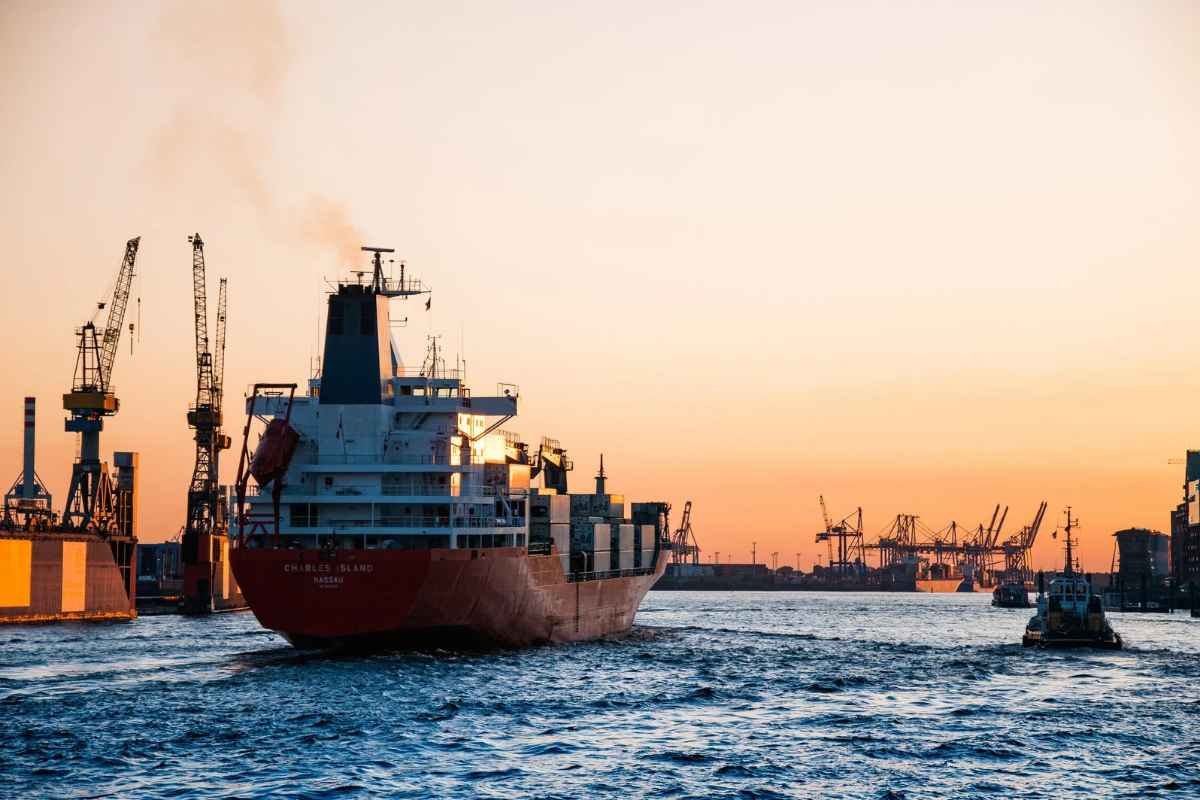
Brazil, Norway and the Netherlands are evaluating specific routes for what could become the first deep-sea green shipping corridor connecting Brazil and Europe.
A feasibility study identified three priority routes:
- Vila do Conde–Karmøy
- Santos–Rotterdam
- Pecém–Rotterdam
The assessment considered biodiesel, green ammonia and green methanol as alternative maritime fuels.
Biodiesel currently offers the most immediate implementation pathway because it can be used in existing engines with comparatively limited adaptation. Green ammonia and methanol offer greater long-term decarbonization potential but require new fuel-production, storage, bunkering and vessel infrastructure.
Market Impact
Green corridors may generate opportunities for:
- shipowners investing in alternative-fuel vessels
- Brazilian biofuel and hydrogen producers
- green ammonia and methanol projects
- port terminals and bunkering facilities
- cargo owners seeking lower-emission transportation
- shipyards and marine equipment suppliers
- green and transition financing
- long-term maritime fuel supply contracts
The commercial challenge remains significant. Current low- and zero-emission alternatives remain more expensive than conventional marine fuels, making long-term demand commitments and cost-sharing mechanisms important to project bankability.
Brazil’s growing port activity reinforces the infrastructure opportunity. Container imports increased 9.2% in the first seven months of 2026, while exports increased 4.5%, adding further pressure for efficient and adaptable maritime infrastructure.
Legal & Contractual Implications
Successful green corridors will require coordinated contractual structures involving:
- long-term fuel supply and offtake agreements
- bunkering and terminal-use arrangements
- port infrastructure development
- shipbuilding and retrofit contracts
- carbon-intensity and sustainability certification
- allocation of alternative-fuel performance risks
- take-or-pay or minimum-volume commitments
- green financing and government support mechanisms
- emissions reporting and regulatory compliance
- cooperation among shipowners, cargo owners, ports and fuel producers
Moving from feasibility studies to operational corridors will therefore depend as much on commercial coordination and contractual bankability as on the availability of new maritime technologies.
Photo: Canva