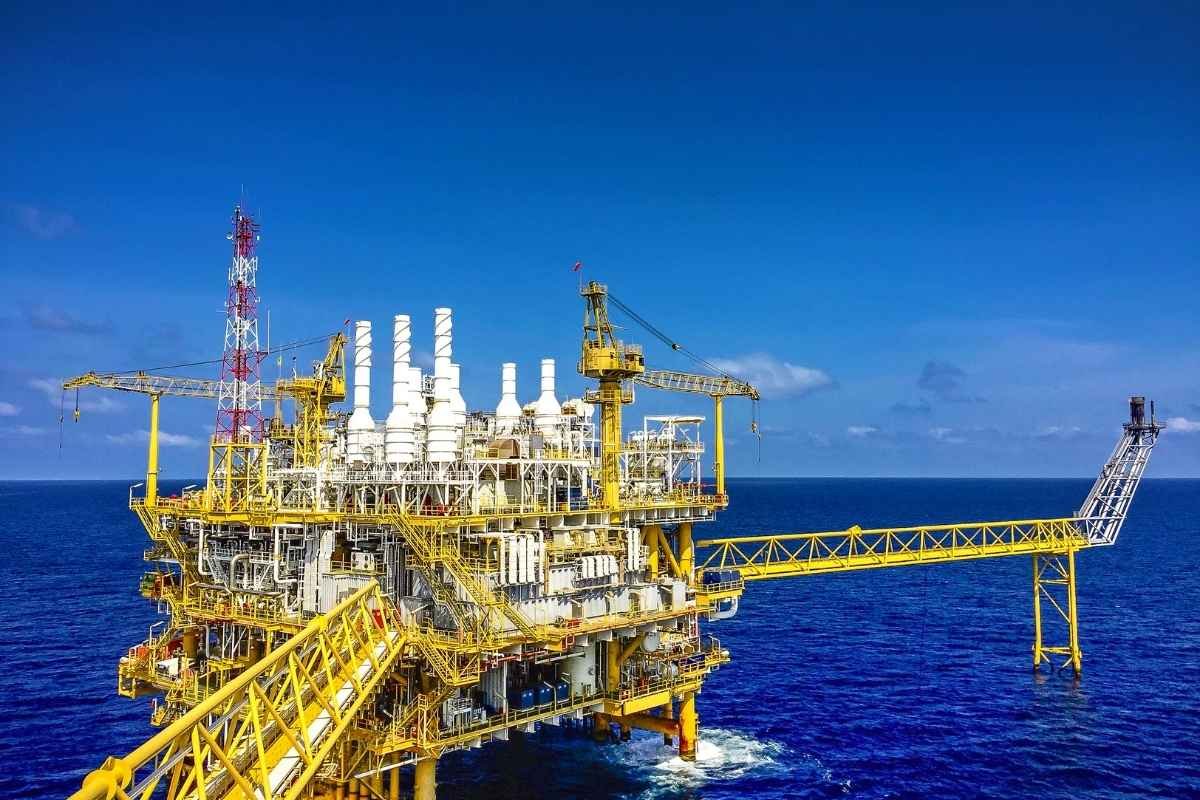
Petrobras is evaluating the potential to export natural gas produced in the pre-salt to international markets, particularly Asia, as domestic offshore gas production increases.
One concept under consideration involves liquefying natural gas offshore through floating LNG (FLNG) solutions, potentially creating a new route for monetizing gas that might otherwise face limitations arising from domestic infrastructure capacity.
The strategy gains relevance as Petrobras expands production in Búzios. The new P-80 and P-82 FPSOs, scheduled to start production in 2027, will each be capable of producing approximately 225,000 barrels of oil per day and processing 12 million cubic meters of natural gas per day.
Market Impact
An offshore LNG export model could create opportunities involving:
- FLNG units and specialized floating infrastructure
- LNG carriers and long-term shipping arrangements
- offshore gas processing and treatment
- subsea gas infrastructure
- Asian LNG buyers and traders
- long-term gas offtake arrangements
- engineering and technology providers
Asia is already the principal destination for a significant portion of Brazil’s crude exports, making it a natural potential market for future LNG volumes.
Legal & Contractual Implications
An export-oriented offshore LNG project would require complex structuring involving:
- FLNG construction, chartering and operation contracts
- LNG sale and purchase agreements
- long-term offtake commitments
- gas supply and processing arrangements
- maritime and environmental licensing
- export authorizations
- shipping and terminal interfaces
- pricing and destination flexibility
- project finance and credit support
- international dispute-resolution mechanisms
The possibility of LNG exports therefore connects Brazil’s upstream development with global gas markets and could create an entirely new contractual ecosystem around pre-salt gas monetization.
Photo: Canva