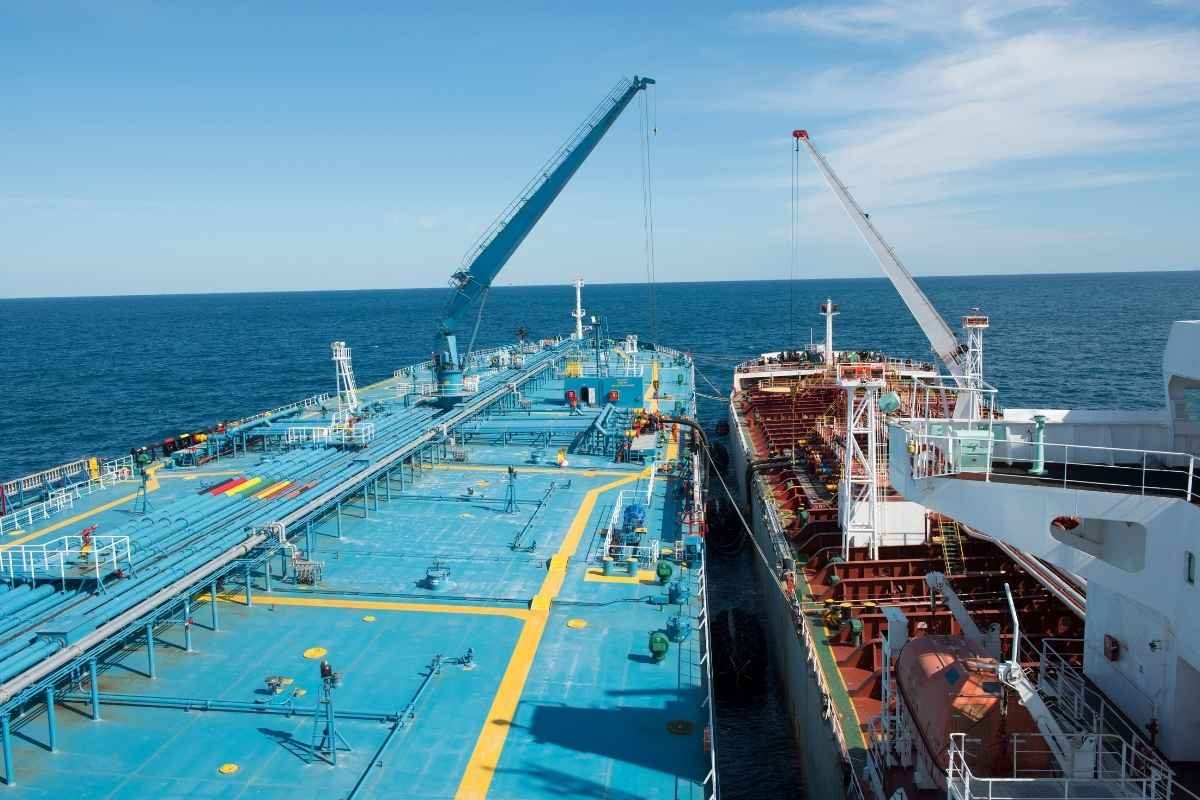
Transpetro plans to launch ship-to-ship transfers while vessels are underway in January 2027, expanding its offshore logistics capabilities as Brazilian oil production continues to grow.
The company already operates conventional STS transfers involving stationary vessels and reported hundreds of such operations in 2025. The new model will allow petroleum and fuel transfers between vessels navigating alongside each other at sea.
The initiative forms part of Transpetro’s broader strategy to become an integrated logistics provider serving both Petrobras and third-party customers.
Market Impact
Underway STS operations may provide:
- greater flexibility in crude export logistics
- alternatives to conventional terminal operations
- more efficient use of tanker capacity
- new opportunities for maritime service providers
- increased flexibility as Brazilian offshore production expands
The strategy is particularly relevant as Transpetro expands its fleet and invests in new dynamically positioned shuttle tankers.
Legal & Contractual Implications
STS operations require careful attention to:
- IBAMA environmental authorization
- operational and marine safety procedures
- vessel compatibility and technical standards
- allocation of cargo-transfer and pollution liabilities
- weather and operational limitations
- insurance and indemnity provisions
- contractual responsibility among shipowners, cargo owners and service providers
The development of underway STS services may therefore require both regulatory approvals and tailored contractual frameworks reflecting the additional risks associated with transfers at sea.
Photo: Canva